

Table of Contents
- What Counts as Made in USA
- Understanding FTC Standards for Made in USA Claims
- How to Check Product Country of Origin
- Made in USA Labeling Requirements
- Questions to Ask About Product Sourcing
- Distinguishing Assembly from Manufacturing
- Verify American Made Products Before You Buy
- Conclusion
- Frequently Asked Questions
Last Updated: October 16, 2026
What Counts as Made in USA
A product counts as made in USA when it's substantially manufactured or assembled in the United States. The Federal Trade Commission sets the standard for what qualifies.
The definition isn't always straightforward. A product with some foreign components can still carry a made in USA claim if the final assembly happens here and foreign parts are minimal. But if most of the work happens overseas, it doesn't qualify, no matter where the final step occurs.
Marketing language can be misleading. Some companies say "assembled in USA" when they mean final packaging happened here. Others claim "made in USA" while importing 80% of the product. Understanding the rules protects you from buying something that doesn't match the claim.
Understanding FTC Standards for Made in USA Claims
The Federal Trade Commission requires that products claiming to be made in USA must have all or virtually all components manufactured and assembled here (the FTC). "Virtually all" means the product must be substantially transformed in the United States.
In practice:
- Unqualified claims (like "Made in USA" alone) require that all significant processing and assembly happen domestically
- Qualified claims (like "Made in USA from imported components") are allowed when some foreign materials are used, but the claim must be clear and specific
- The FTC looks at the total manufacturing process, not just where the final assembly occurs
Companies that make false origin claims face FTC enforcement action. When you see a claim, ask: is it qualified or unqualified? A qualified claim tells you what's domestic and what's not. An unqualified claim means the entire product is substantially made here.
FTC standards for country-of-origin labeling
How to Check Product Country of Origin
To verify american made products, you need to check multiple sources. Start with the packaging, then dig into the manufacturer's background. The goal is an evidence trail, not one label.
Inspect Packaging and Labels
Your first step is reading what's actually on the box or label. Look for:
- Country of origin statement, Usually on the back or bottom
- "Made in USA" claims, Check if they're qualified or unqualified
- Manufacturing location details, Some brands list a specific city or state
- Assembly versus manufacturing language, These are different things
- Small print disclaimers, These reveal what's really domestic
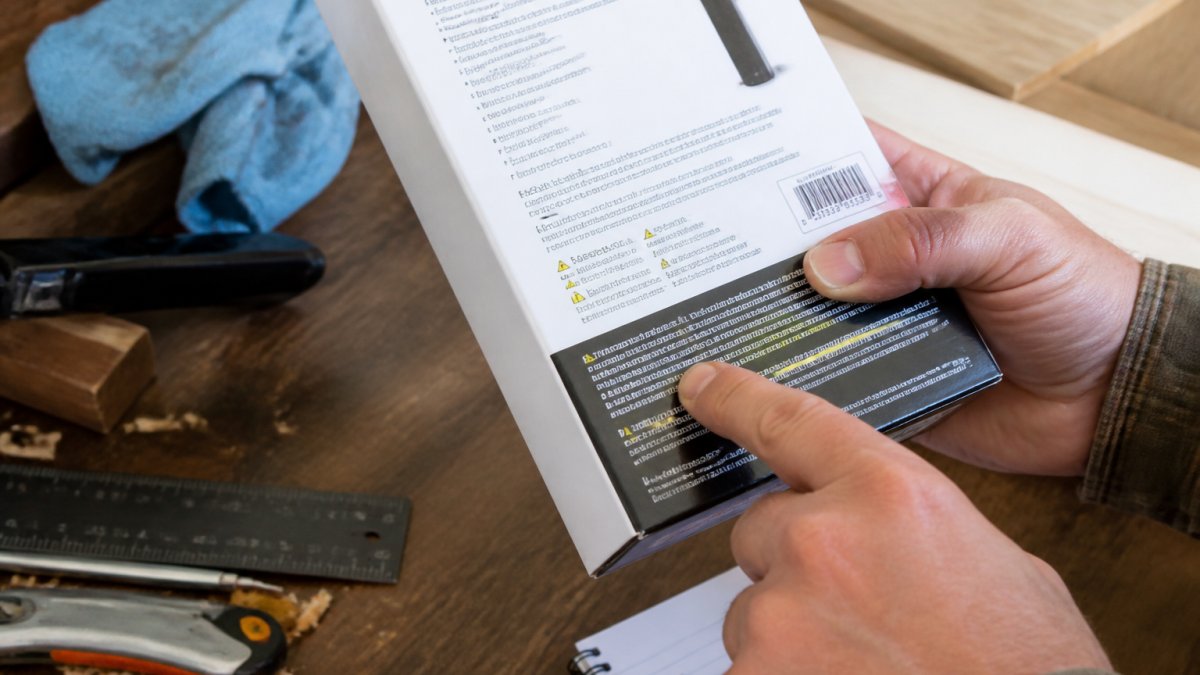
Many products hide details in small text on the back. Flip the package over. "Assembled in USA" differs from "made in USA": assembly means final putting-together, manufacturing means producing the components.
Research the Manufacturer
Once you know who makes the product, research their background. Visit their website and look for:
- Where their facility is located
- Whether they own the manufacturing facility or contract it out
- How long they've operated in the United States
- Any certifications or partnerships they mention
Company websites often have an "about us" section explaining their manufacturing story. Veteran-owned businesses like Gil-Tek typically highlight their American manufacturing because it's core to their identity.
Check Manufacturing Location Online
Search the company name plus "manufacturing" or "facility location." Look for official company statements, news coverage of their operations, industry directories, and customer reviews. Be cautious with social media or unofficial forums; stick to the company's official website, established outlets, and industry databases.
Verify Claims When Shopping Online
Online listings rarely show the full back label, so work with what the product page gives you. Check these fields in order:
- Product title and bullet points, Look for "Made in USA" versus "Assembled in USA" versus "Designed in USA." Each means something different.
- Packaging photos, Zoom in on the back or bottom of the box. If the seller only shows the front, that's a gap.
- Seller FAQs and Q&A, Search for "country of origin," "made in," or "assembled."
- Manufacturer website, Cross-check the product on the brand's own site, which often has more detail.
- Missing origin information, If none of these state where the product is made, treat the claim as unverified. Absence of a country-of-origin statement is not proof of domestic manufacture.
Marketplace listings often copy the brand's marketing language but drop the qualifiers. If the brand says "Made in USA from imported components" and the listing says "Made in USA," the listing is the weaker source. Go back to the brand.
Distinguish U.S. Assembly from U.S. Manufacture
This distinction decides whether a claim is honest or inflated. Use this test:
- U.S. manufacture, The significant parts are made here from raw or basic materials, and the product is substantially transformed here.
- U.S. assembly, Imported finished components are combined here. The final step happens domestically, but the manufacturing did not.
- Mixed, Some components are domestic, some imported, and the claim should say so.
Example: a utility knife with a blade stamped and ground overseas, a handle molded overseas, and final screw-together assembly in the United States is assembled here, not manufactured here. A knife with a blade ground domestically from domestic steel and a handle molded domestically is much closer to a genuine made in USA claim. The difference is where the shaping and forming happen, not where the box is sealed.
Independent Certifications and Their Limits
Some brands display third-party certification marks or participate in verification programs. These are useful signals, but they are not required by law and do not replace the FTC standard. A certification mark means some organization reviewed a claim; it does not mean every component is domestic. Treat certifications as one piece of evidence, not the final word. A brand with no certification but specific, consistent origin details can be stronger evidence than a logo with no explanation.
Made in USA Labeling Requirements
Products sold in the United States must comply with labeling rules:
Unqualified "Made in USA" claims mean:
- All significant parts and processing must be domestic
- The product must be substantially transformed in the United States
- No foreign components can make up a significant portion
Qualified claims must disclose what's foreign:
- "Made in USA from imported components"
- "Assembled in USA with foreign parts"
- The disclosure must be clear and conspicuous
The FTC enforces these rules; false origin claims can bring penalties, lawsuits, and reputational damage.
Qualified claims aren't necessarily bad. They're honest. A product made from imported materials but assembled here is still a legitimate made in USA item, as long as the claim says so.
Questions to Ask About Product Sourcing
Before you buy, ask the manufacturer directly. Most legitimate American-made brands are happy to explain their process:
- Where are your products manufactured?
- What percentage of components are made domestically?
- Do you own the manufacturing facility or contract with another company?
- Can you verify your made in USA claim with documentation?
- What does "made in USA" mean for your specific products?
- How long have you been manufacturing in the United States?
Companies that won't answer are a red flag. Brands confident in their american made products claim will provide specifics. Write down their answers; if they're vague or refuse to explain, that tells you something. Legitimate manufacturers like Gil-Tek, a veteran-owned engineering company, can point to their facility and explain their supply chain.
Distinguishing Assembly from Manufacturing
This is where many claims get fuzzy. Assembly and manufacturing are not the same thing.
Manufacturing means making the components themselves, designing and producing parts from raw materials or basic inputs.
Assembly means putting pre-made parts together, combining finished components into the final product.
A product can be assembled in the USA but manufactured overseas. The honest claim then is "assembled in USA from imported components," not "made in USA."
If you want a truly made in USA product, you want one where the significant manufacturing, not just assembly, happens here. Ask manufacturers where the main components are made. If they say "we source from suppliers around the world and assemble here," most of the manufacturing happened abroad.
Verify American Made Products Before You Buy
Use this workflow to turn a vague label into a defensible conclusion. It takes a few minutes per product and works in-store and online.
The Claim-Evidence Checklist
For each product, answer these questions and note the source:
- What exact words does the claim use? "Made in USA," "Assembled in USA," "Built in USA," "Designed in USA." Write it verbatim.
- Is the claim qualified or unqualified? An unqualified "Made in USA" carries a higher burden. A qualified claim should state what is foreign.
- Where did you find the claim? Package, product page, brand website, seller Q&A. Brand website and package label are stronger than marketplace bullets.
- Does the brand name a facility or location? A specific city and state is stronger than "USA."
- Does the brand explain its supply chain? Look for statements about domestic versus imported components.
- Is there a certification or verification mark? Note it, but don't treat it as conclusive.
- Is origin information missing? If yes, mark the claim unverified.
Rate Your Confidence
After the checklist, assign a simple rating:
- High confidence, Unqualified claim, specific U.S. facility named, supply chain explained, consistent across package and website.
- Medium confidence, Qualified claim that matches the evidence, or an unqualified claim with a named facility but no component detail.
- Low confidence, Vague language, no facility named, or origin information missing from every source.
- Contradictory, The package says one thing and the website says another, or a marketplace listing drops a qualifier the brand uses.
A low-confidence rating doesn't mean the product is foreign; it means you lack evidence to rely on the claim. If the claim matters, ask the brand directly before buying.
Ask the Manufacturer Directly
Most legitimate American-made brands are happy to explain their process. Send a short, specific message:
- Where are your products manufactured?
- What percentage of components are made domestically?
- Do you own the manufacturing facility or contract with another company?
- Can you verify your made in USA claim with documentation?
- What does "made in USA" mean for your specific products?
Companies that won't answer these questions are a red flag. Brands confident in their american made products claim will provide specific details. Write down their answers. If they're vague or refuse to explain, that tells you something. Legitimate manufacturers like Gil-Tek, which operates as a veteran-owned engineering company, can point to their specific facility and explain their supply chain.
Report Suspected False or Ambiguous Claims
If a product claims "Made in USA" with no qualifier but the evidence points to substantial foreign manufacturing, document it and submit a complaint. The FTC accepts complaints about deceptive country-of-origin claims through its online complaint system, and state attorneys general handle false advertising. Keep your evidence: photos of the label, the product page URL, the date, and any brand response. You don't need certainty of a violation to report a concern; regulators decide whether a claim crosses the line.
Conclusion
Verifying american made products protects your wallet and supports the companies doing the work here. The FTC rules are clear, but marketing language can be deliberately vague. Read labels carefully, research manufacturers directly, and ask questions before you buy.
At Gil-Tek, we build every product right here in the United States. Our veteran-owned engineering team designs and manufactures innovative EDC gear with the precision and durability everyday carry demands. When you choose american made products from brands committed to domestic manufacturing, you're investing in quality that lasts.
Frequently Asked Questions
What counts as made in the USA according to the FTC?
The Federal Trade Commission defines a product as made in the USA when it is manufactured or produced in the United States and has undergone substantial transformation here. This means the final assembly and most of the processing must occur domestically. However, the product can include some imported components. The key is that the significant value and work must be American-made. Unqualified claims mean all or virtually all production occurred in the United States.
How can I verify whether a product is truly made in the USA when shopping online?
Start by checking the product listing for country-of-origin statements on the packaging description. Visit the manufacturer's website to confirm their production location and supply chain transparency. Look for specific details about where final assembly happens versus where components come from. Contact the company directly with questions about sourcing if the information isn't clear. Check for third-party certifications or veteran-owned business credentials that often correlate with domestic production commitments.
What is the difference between 'Made in USA' and 'Assembled in USA'?
Made in USA means the product was manufactured, processed, and substantially transformed in the United States. Assembled in USA indicates only the final assembly occurred here, while components may be imported. An unqualified Made in USA claim requires virtually all production to be domestic. An Assembled in USA label is a qualified claim that must disclose the origin of components. Always check which claim a product makes, as assembly alone does not guarantee a product is primarily American-made.
What questions should I ask a company about its manufacturing claims?
Ask where the final assembly takes place and what percentage of components are sourced domestically. Request details about which parts are imported and from which countries. Ask about their quality control processes and whether they have third-party certifications. Inquire about their supply chain transparency and whether they publish manufacturing information. For companies claiming veteran-owned status, ask for verification. Legitimate manufacturers are transparent about their sourcing and happy to provide specifics.
0 comments